ACCRA / BOLGATANGA, GHANA — Speaking on the Breakfast Today show on Dreamz FM in Bolgatanga, Dr. Paul Appiah-Konadu, Senior Research Fellow at the Institute for Liberty and Economic Education (ILEE), warned that rising global fuel prices pose an immediate threat to household budgets, transportation costs, power generation, and broader economic stability.
Dr. Appiah-Konadu urged the government to closely monitor developments in the international energy market and enact strategic measures to insulate Ghana’s economy from global volatility.
The Ripple Effect of Energy Costs
Highlighting energy as a primary driver of overall cost-of-living increases, Dr. Appiah-Konadu noted that spikes at the pump ripple quickly across every sector of the economy.
“One key thing is fuel prices, because energy prices affect everyone, directly and indirectly,” Dr. Appiah-Konadu explained.
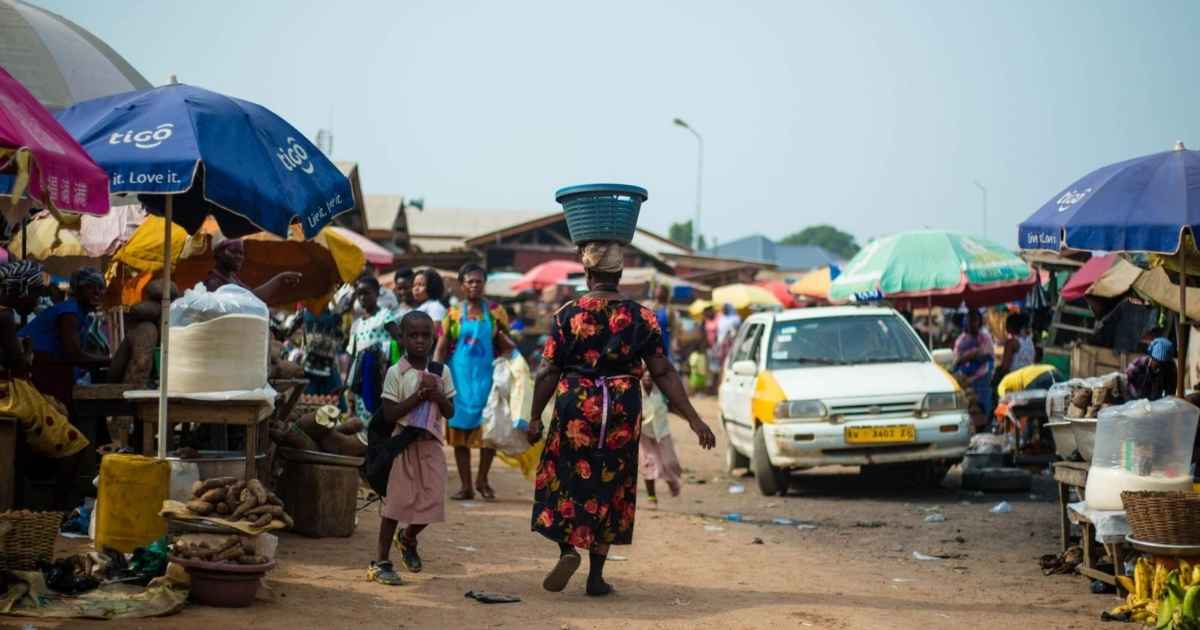
He pointed out that while motorists bear the immediate direct cost at fuel stations, commuters and consumers absorb the indirect burden when transport operators adjust fares upward to reflect higher operational expenses.
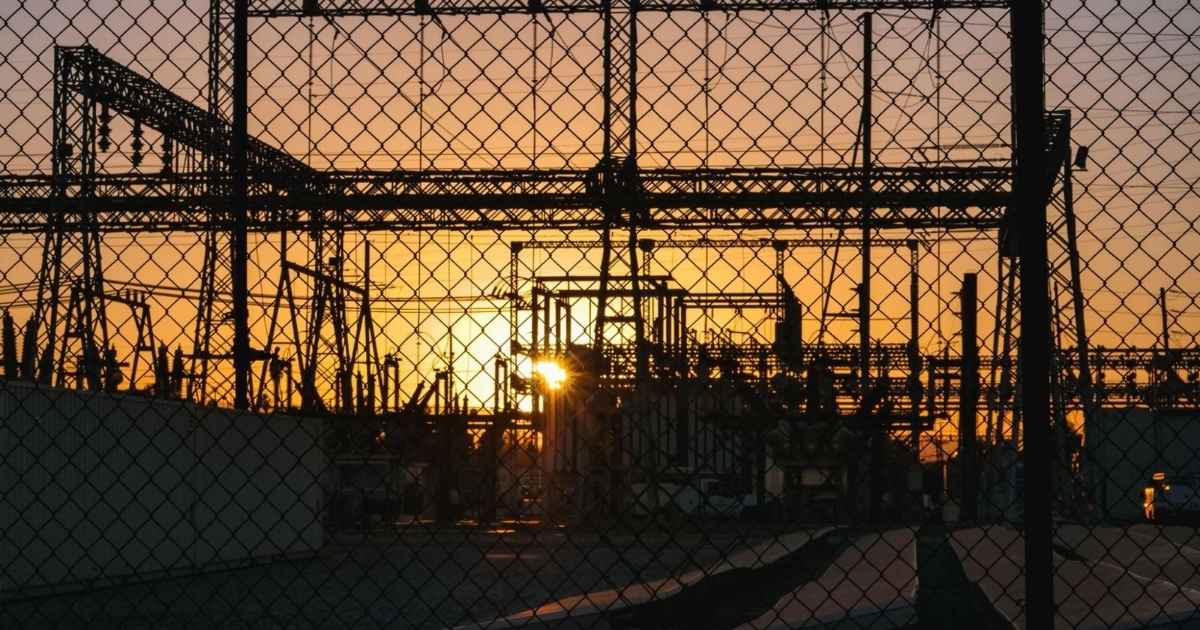
Furthermore, because Ghana relies significantly on fossil fuels for its national power generation grid, global price swings directly impact utility tariffs:
“Whenever the price of these elements goes up, it also feeds into your cost of electricity. And so, the government has to watch the fuel prices, especially now that the Middle East crisis is ongoing,” he cautioned.
Policy Recommendations: Tax Relief & Domestic Refining
To cushion Ghanaian households and businesses against these external pressures, Dr. Appiah-Konadu outlined both short-term fiscal relief and long-term structural solutions:
- Petroleum Tax Reviews: The government should consider temporarily reviewing or reducing specific taxes and levies on petroleum products during periods of steep international price surges.
- Domestic Refining Capacity: Boosting local oil refining and natural gas production is critical to reducing Ghana’s exposure to international supply shocks.
- Cedi Stabilization: Refining crude locally reduces the national demand for foreign exchange specifically US dollars needed to import finished petroleum products, helping to ease downward pressure on the Cedi.
“We can insulate ourselves from those pressures, refine the oil here,” he noted, emphasizing that reviving domestic refining is vital to help “tame the cost of energy in Ghana” and make power accessible for industry.
Energy Affordability is Fundamental to Industry Growth
Addressing broader policy proposals, including the national conversation surrounding a 24-hour economy initiative, Dr. Appiah-Konadu stressed that affordable energy is a fundamental prerequisite for any industrial expansion.
He raised practical concerns for enterprise owners currently facing high baseline overheads during standard operating shifts:
“If a business cannot operate on an eight-hour cycle because of the high cost of fuel, why would such a business be incentivized to move to a 24-hour cycle?” he asked.
To make industrial expansion feasible, Dr. Appiah-Konadu advocated for targeted energy support and market-driven reforms tailored toward manufacturing and agro-processing hubs. Lowering energy input costs for high-potential sectors will unlock production capacity, stimulate job creation, and drive long-term economic transformation.