Ghana just closed out a $3 billion IMF program. It moved on to a Policy Coordination Instrument, which, unlike the Extended Credit Facility before it, comes with no new funding. That’s a genuine milestone. Inflation has fallen from truly alarming levels to single digits, reserves are recovering, and the primary balance is back in surplus. For the first time in a while, it feels like the panic has passed.
But Ghana has been here seventeen times since independence. The pattern is depressingly familiar: the state spends beyond its means, borrowing balloons, the economy buckles, and the country ends up back in Washington asking for help. Things stabilize for a while. Then, almost on schedule, the whole cycle starts again the moment the IMF stops watching.
Breaking that cycle for good means accepting what the country’s policymakers have resisted for decades: you don’t fix a spending problem by squeezing more money out of an already-stretched private sector, nor by tightening the regulatory screws on trade and business. You fix it by making the state spend less. That’s it. That’s the whole lesson; however unfashionable it sounds.
The Revenue Trap
For years, the default instinct in government has been to treat every budget shortfall as a tax-collection failure rather than a spending failure. When revenue falls short of target, the answer is always the same: new levies, tighter enforcement, more aggressive audits, and harsher penalties for noncompliance.
Some of the recent moves have gone the other way, including scrapping the E-Levy, the betting tax, and the COVID health levy, which was a real relief for businesses that had been carrying those costs. But scrapping a few unpopular taxes doesn’t mean the underlying mindset has changed. Look at the 2026 Mid-Year Fiscal Policy Review, and you’ll see the same old instinct dressed up in new technology: real-time VAT invoicing, AI-driven audit systems, and tighter customs enforcement. The tools are more modern. The philosophy is identical.
None of this is to say tax administration shouldn’t be modernized; closing genuine leakages is simply good governance. The problem is treating enforcement as the main lever for fiscal health. Squeeze businesses harder without ever capping state spending, and you’re effectively taxing the very investment the country needs to grow. Push that too far, and entrepreneurs quietly retreat into the informal economy, where they can’t be taxed at all. Revenue collection should support growth. It shouldn’t be asked to substitute for the discipline the state won’t apply to itself.
Where the Real Problem Lives
Here’s the thing people keep getting backward: Ghana’s fiscal crises were never caused by a population that doesn’t pay enough in taxes. They were caused by a state that spends more than it takes in, year after year, propping up inefficient public enterprises. Unconstrained spending piles up as debt. That debt pushes interest rates higher and crowds out private borrowers. Eventually, when rates are too high and the books don’t balance, the government reaches for tighter regulation and heavier tax enforcement right before it reaches for the phone to call the IMF.
If the new Policy Coordination Instrument is going to mean anything, the reform agenda must move away from that regulatory reflex and target spending itself. Three places to start:
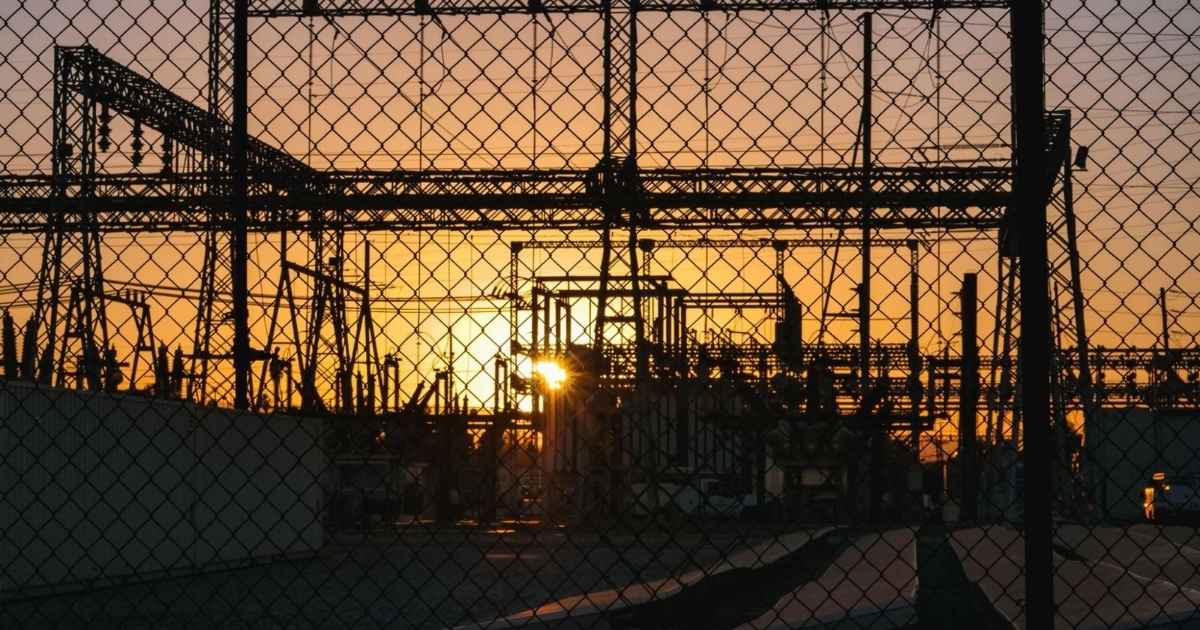
Deregulate the energy sector’s liabilities: Ghana’s power sector has been one of the biggest drains on the treasury for years, largely due to centralized procurement and take-or-pay contracts with independent power producers that lock the state into paying for electricity no one uses. The fix isn’t oversight; it’s less state control. Open the market to off-grid providers, let private distributors compete, and allow transparent merchant power deals. Get the treasury out of the business of bailing out bad power contracts.
Get serious about the wage bill: Adding people to the government payroll isn’t job creation; it’s just a bigger bill for taxpayers to cover, with nothing productive to show for it. The state needs to cap wage-bill growth and start shutting down redundant agencies and boards that exist primarily to justify their budgets. Real jobs come from a growing private sector, not from a government org chart getting longer.
Stop bailing out state-owned enterprises: For decades, SOEs have operated under the assumption that if things go wrong, the treasury will quietly cover the gap. That has to end. These enterprises should operate on commercial terms, undergo independent audits, and know there’s no emergency top-up if they mismanage themselves into a hole.
Freedom, Not More Paperwork
Exiting the ECF and moving to a non-financing arrangement signals to global markets that Ghana doesn’t need bailout money to meet its obligations right now. That’s worth something. But no amount of technical assistance from Washington or elsewhere can substitute for the political will to change how the state behaves at home.
The route to real prosperity isn’t paved with more compliance requirements, more customs checkpoints, or more tax-tracking software. It’s paved with economic freedom, plain and simple.
Go the regulatory-tightening route, and you might see a short-term revenue bump. Still, the long game is small businesses being squeezed into the informal sector and a state budget that never gets disciplined. Go the spending-discipline route instead, and yes, it forces harder choices up front about what the government funds and what it doesn’t. But it’s the only path that unlocks private capital, lowers interest rates, and breaks the country’s dependence on IMF rescue packages for good.
There’s a simple mechanical reason this works: when government borrows less, it competes less with others for available credit. Interest rates fall. Farmers, tech startups, and small business owners who’ve been priced out of commercial lending suddenly have room to borrow and grow. Combine that with lighter bureaucracy and stronger protection of property rights, and capital starts flowing to where it’s actually productive, rather than sitting on the sidelines or funding government deficits.
The Bottom Line
Finishing the IMF program is an achievement that belongs to ordinary Ghanaian taxpayers and business owners. They’re the ones who absorbed the pain of adjustment to get here. But an exit ceremony doesn’t mean much if the habits that caused the last crisis remain fully intact beneath it.
Staying out of the IMF’s waiting room for good means accepting an uncomfortable truth: the state has to learn to live within its means. Discipline spending, shrink the bureaucracy, deregulate the sectors that keep bleeding public money, and let markets do what they do best. That’s how Ghana actually breaks the cycle, not with another round of tax enforcement, but with a government willing to spend less than it did the year before.
Sources
- IMF, Executive Board Completes Sixth Review of Ghana’s ECF, Concludes 2026 Article IV, Reviews 36-Month PCI Request (July 27, 2026)
- IMF, Staff Completes 2026 Article IV Consultation and Reaches Staff-Level Agreement (May 15, 2026)
- MyJoyOnline, Ghana likely to sign up to IMF Policy Coordination Instrument after ECF program ends
- The Presidency, Republic of Ghana, Promises fulfilled: E-levy and other taxes officially scrapped (April 2, 2025)
- Ministry of Finance, Ghana 2026 Mid-Year Fiscal Policy Review: Growth, Jobs, and Economic Transformation (July 23, 2026)
- Citi Newsroom, 12 economic figures that matter from Ghana’s 2026 mid-year budget review (July 24, 2026)