By Jeff Konadu Sarpong
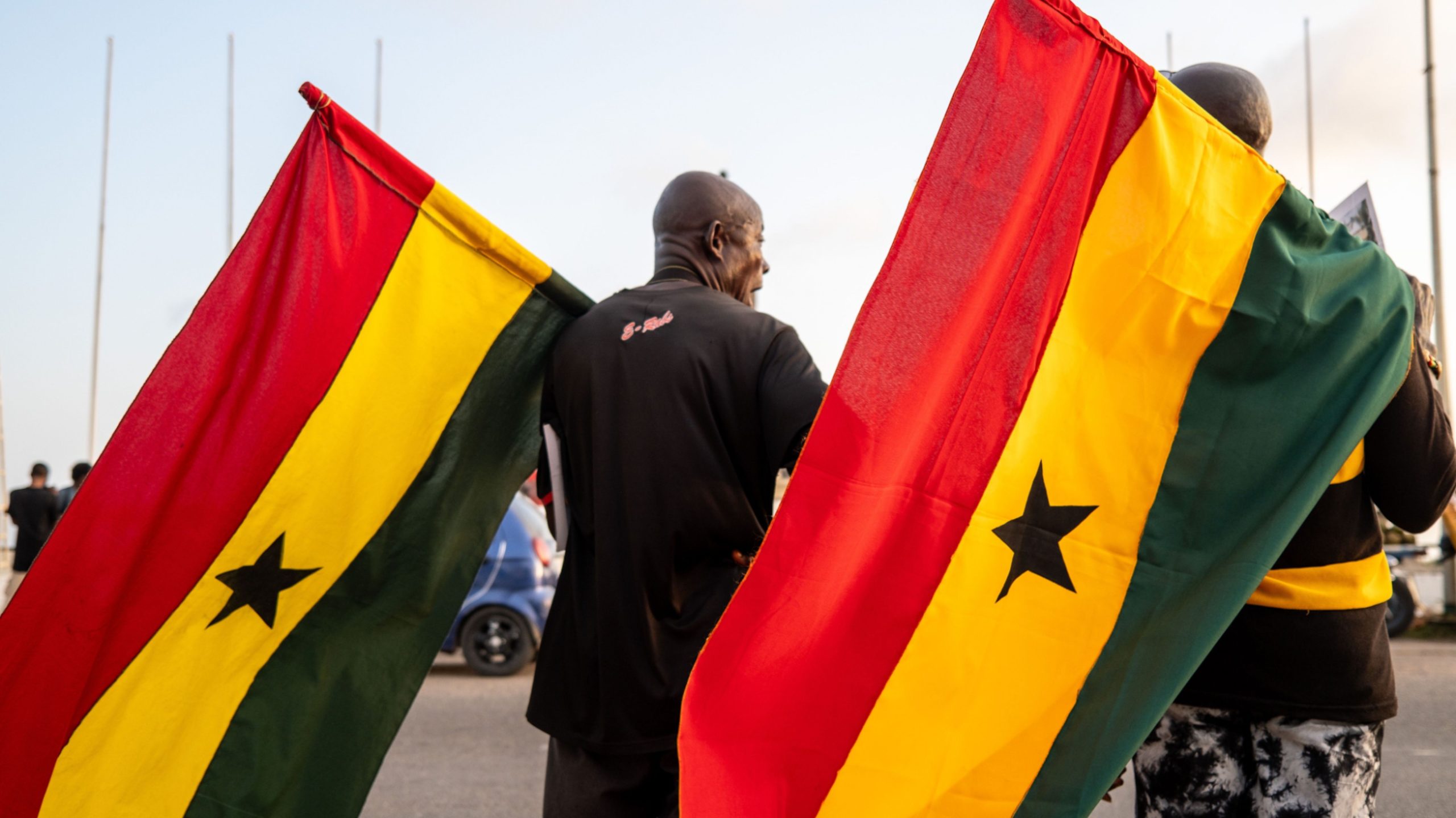
Say the word “capitalism” in a room full of young Ghanaians, especially the politically engaged, and watch what happens. Faces tighten. Someone mentions colonialism. Someone else brings up multinational corporations draining the continent’s resources. Within minutes, the word has become shorthand for everything that has gone wrong here: exploitation, inequality, foreign domination, the whole catalog of African grievances rolled into one term. A phrase that circulates in activist circles captures this mood perfectly: “campaign for the few instead of water for the many.” It’s a tidy line. It’s also wrong, and it’s worth taking seriously enough to explain why.
Before dismantling that phrase, it helps to be honest about what capitalism actually is, because most of the anger directed at it is really anger at something else wearing its name. Capitalism, stripped down to its essentials, is a system built on private property and the right of individuals to make their own decisions about what they own. That’s it. It means a farmer can own his land and decide what to grow on it. It means a tailor can own her sewing machine and set her own prices. It means two people can trade freely; goods for goods, labor for wages, services for money; without a third party stepping in to dictate the terms. There’s nothing sinister in that description. If anything, it’s almost mundane. And yet this unremarkable arrangement is one of the most effective tools humanity has ever discovered for lifting people out of poverty.
If that sounds like an overstatement, look at the pattern rather than the rhetoric. Countries that protect private property and allow people to trade freely tend to be richer than those that don’t. This isn’t a coincidence you can dismiss, and it isn’t limited to one or two convenient examples. The Heritage Foundation’s Index of Economic Freedom, which has tracked this relationship for decades, keeps showing the same result year after year: nations with higher scores for property rights, open markets, and limited state interference consistently outperform those without. It’s telling that the world’s most economically free countries also tend to be its wealthiest. The United States, for all its flaws and the legitimate criticism of its inequality, remains the most prosperous large economy human civilization has produced. That didn’t happen by accident. It happened because millions of individuals were, for the most part, free to own, build, and trade without first seeking permission from a bureaucrat.
Then comes the inevitable rebuttal: what about China? Isn’t China proof that a state-controlled economy can out-produce a free one? Not quite. China’s transformation from a famine-scarred, impoverished country into the world’s second-largest economy didn’t come from doubling down on central planning. It came from Beijing loosening its grip. Starting in the late 1970s, the government carved out special economic zones — places like Shenzhen — where private enterprise, foreign investment, and market pricing operated with far more freedom than anywhere else in the country. Those zones became the engines of Chinese growth, and the lessons learned there gradually spread outward. China didn’t get rich by rejecting capitalism. It got rich by cautiously and selectively adopting it, then quite aggressively.
Which brings us back home. Sub-Saharan Africa consistently ranks among the least economically free regions on the planet — its average score on the Index of Economic Freedom sits well below the global average. That’s not an accident of geography or a hangover from colonial history we’re powerless to shake off. It’s the direct, measurable result of policy choices: heavy-handed regulation, weak property protection, and governments that too often treat entrepreneurs as targets for extraction rather than as engines of growth. Ghana does better than many of its neighbors, but “better than the region’s worst performers” is a low bar, and there’s a long way to go before property rights and market freedom are no longer treated as suspicious imports.
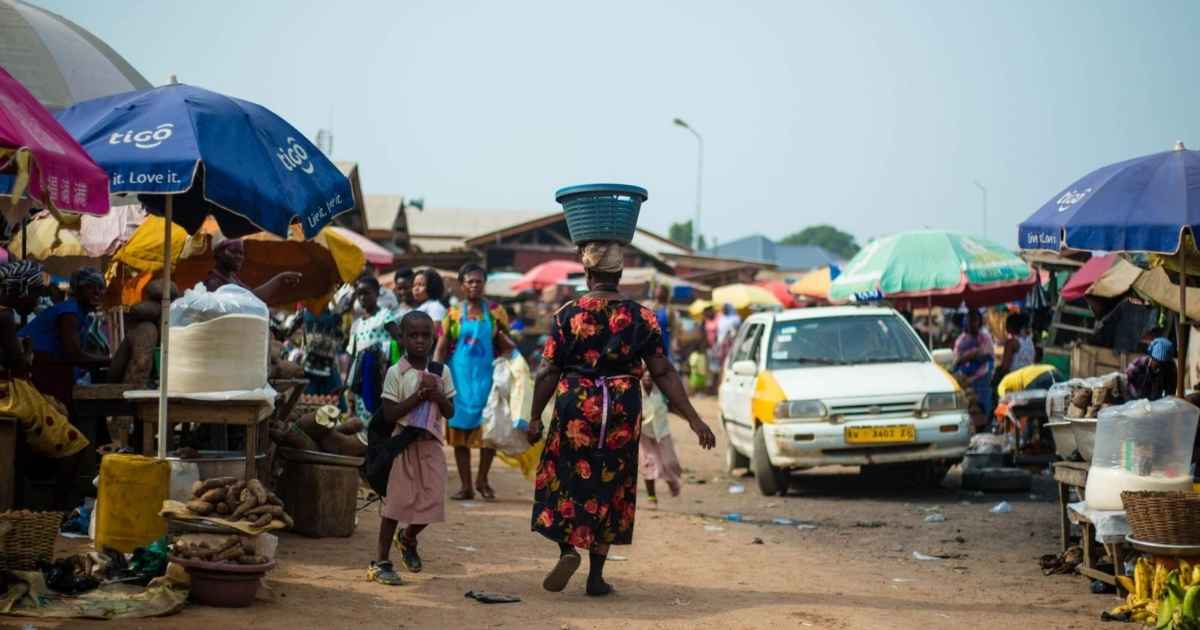
None of this means capitalism is a magic wand or that markets solve everything on their own; no serious defender of the system claims that, and pretending otherwise only hands ammunition to critics. But abandoning economic freedom or retreating further into state control in the name of protecting citizens from exploitation will not fix what ails African economies. It will deepen the problem. The people best positioned to build businesses, create jobs, and generate wealth are not committees of state bureaucrats deciding who gets a permit. They’re the innovators, traders, and small business owners who already exist in every Ghanaian market and workshop, waiting for the freedom to use what they have.
So what does a realistic path forward look like? It doesn’t require reinventing anything. It requires removing obstacles. Governments across the continent could start by eliminating the tangle of unnecessary regulations that slow and make it expensive to start or run a business. They could strengthen legal protections so that property, land, businesses, and savings can’t be seized or extorted by the state or politically connected individuals. They could also guarantee people the freedom to enter into contracts with whomever they choose, whether that partner is next door or on another continent.
Capitalism isn’t the villain in Africa’s economic story. In most of the continent, it’s barely been given a role.
Jeff Konadu Sarpong serves as a Writing Associate for ILEE, where he champions free-market principles through impactful commentary.
Disclaimer: The views expressed in this article are solely those of the author and do not necessarily reflect the official position of ILEE.