The escalating confrontation involving the United States, Israel, and Iran has pushed the world into one of its most unstable geopolitical moments in decades. Military strikes and rising tensions in the Persian Gulf have effectively disrupted traffic through the Strait of Hormuz—a narrow waterway that transports about 20 million barrels of oil daily. This accounts for roughly 20% of global oil consumption and a quarter of all seaborne oil trade.
When such a critical energy route is blocked, the effects ripple throughout the entire global economy. Oil prices have already increased to between $100 and $115 per barrel, with analysts warning that prolonged disruption could lead to aggressive inflation in major economies.
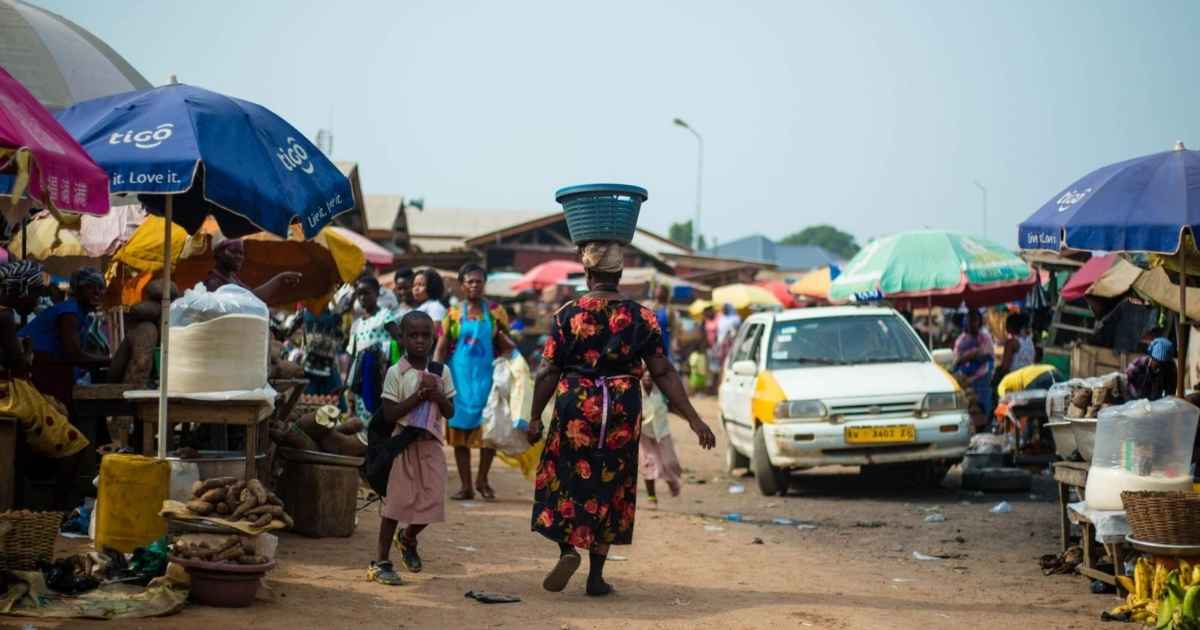
For Ghana and much of Africa, this is not just a distant conflict; it’s a looming economic shock threatening everything from transportation fares to the cost of a loaf of bread.
A Global Energy Shock in the Making
The Strait of Hormuz, located between Iran and the Gulf states, is the world’s most vital oil transit chokepoint. Nearly one-fifth of the world’s oil supply and significant volumes of liquefied natural gas (LNG) pass through this corridor daily.
When tanker traffic is blocked, global markets respond immediately. Even the threat of disruption creates a “geopolitical risk premium,” driving prices higher as traders anticipate shortages. Beyond price increases, global markets are now factoring in fears of stagflation—a dangerous combination of rising inflation and slowing economic growth.
Why Ghana is Especially Vulnerable
Africa consumes energy but refines very little of it. Despite its rich crude oil reserves, many African countries, including Ghana, rely heavily on imported refined petroleum products.
This structural weakness makes African economies price takers, not price setters. For Ghana, the vulnerability is even more pronounced:
Rapid Inflation: Fuel prices determine transportation costs, which directly impact food prices.
Currency Pressure: Higher oil import bills increase demand for foreign exchange, putting the Ghanaian Cedi under significant pressure.
Fiscal Strain: Government efforts to help consumers through subsidies often worsen fiscal deficits and increase public debt.
The Structural Issue: Centralized Dependence
Our vulnerability to global shocks reflects a history of centralized government control and import reliance. These systems often hinder innovation and prevent private investment in alternative energy infrastructure.
A free-market approach suggests the main problem isn’t just oil prices—it’s market rigidity. When the government dominates energy markets or enforces complex regulations, the system becomes fragile.
The Path Toward Energy Independence
The Strait of Hormuz crisis serves as a wake-up call. To build real resilience, Ghana needs to shift toward a decentralized, market-oriented energy strategy:
Deregulate and Attract Investment: Cut bureaucratic hurdles to bring private innovators into the energy sector. Competition is the best way to lower long-term costs.
Decentralize with Renewables: Ghana’s abundant solar potential remains mostly untapped due to centralized grid models. Allowing private developers to create decentralized mini-grids would reduce our reliance on imported fuel.
Support Local Refining Capacity: We must move away from the “export crude, import refined” model. Promoting private-sector refining infrastructure can lessen exposure to global shipping issues and currency fluctuations.
Regional Energy Cooperation: Strengthening West African energy markets can enable shared electricity resources, reducing the impact of distant supply chain disruptions.
Conclusion: Turning Crisis into Opportunity
Geopolitical conflicts thousands of miles away shouldn’t determine the economic stability of a Ghanaian household. The current crisis reveals how fragile our dependence is, but also offers a strategic turning point.
By embracing energy diversification and empowering private businesses, Ghana can shift from a vulnerable price-taker to a resilient, energy-independent nation. We must seize this moment for reform rather than remain trapped in a cycle of external reliance.
About the Author: Haleed Sulemana Namyella is a Human Rights Advocate and Development Professional. He serves as a Research and Policy Associate at the Institute for Liberty and Economic Education (ILEE).